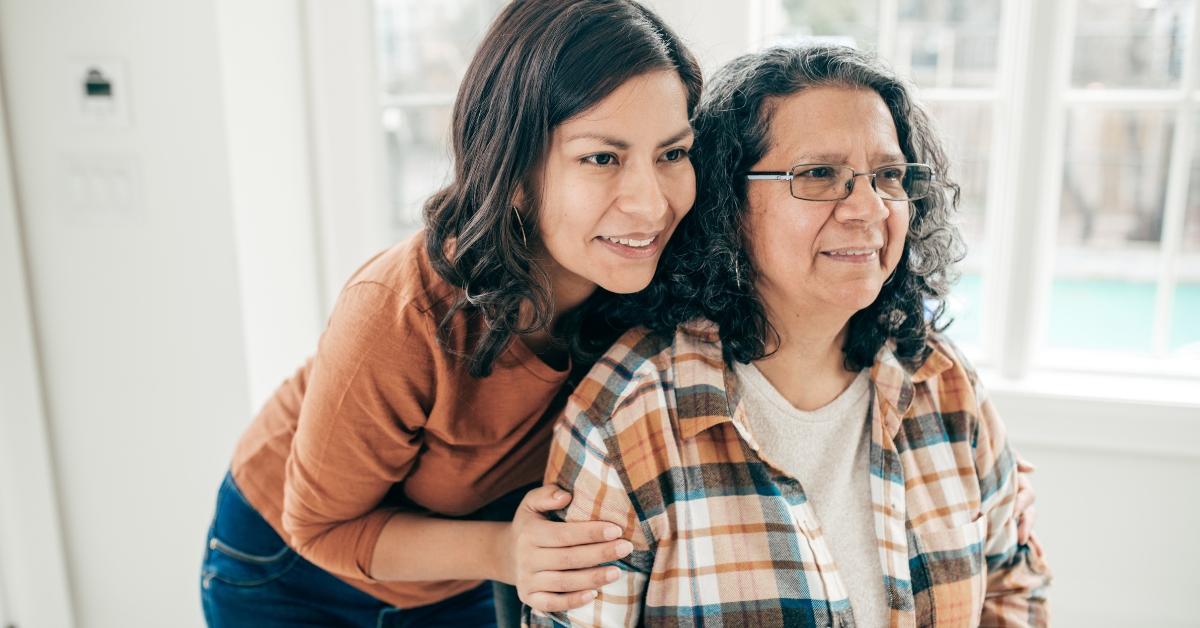
The Role of Recreational Activities in Senior Home Care
Enhancing Senior Living through Recreational Activities
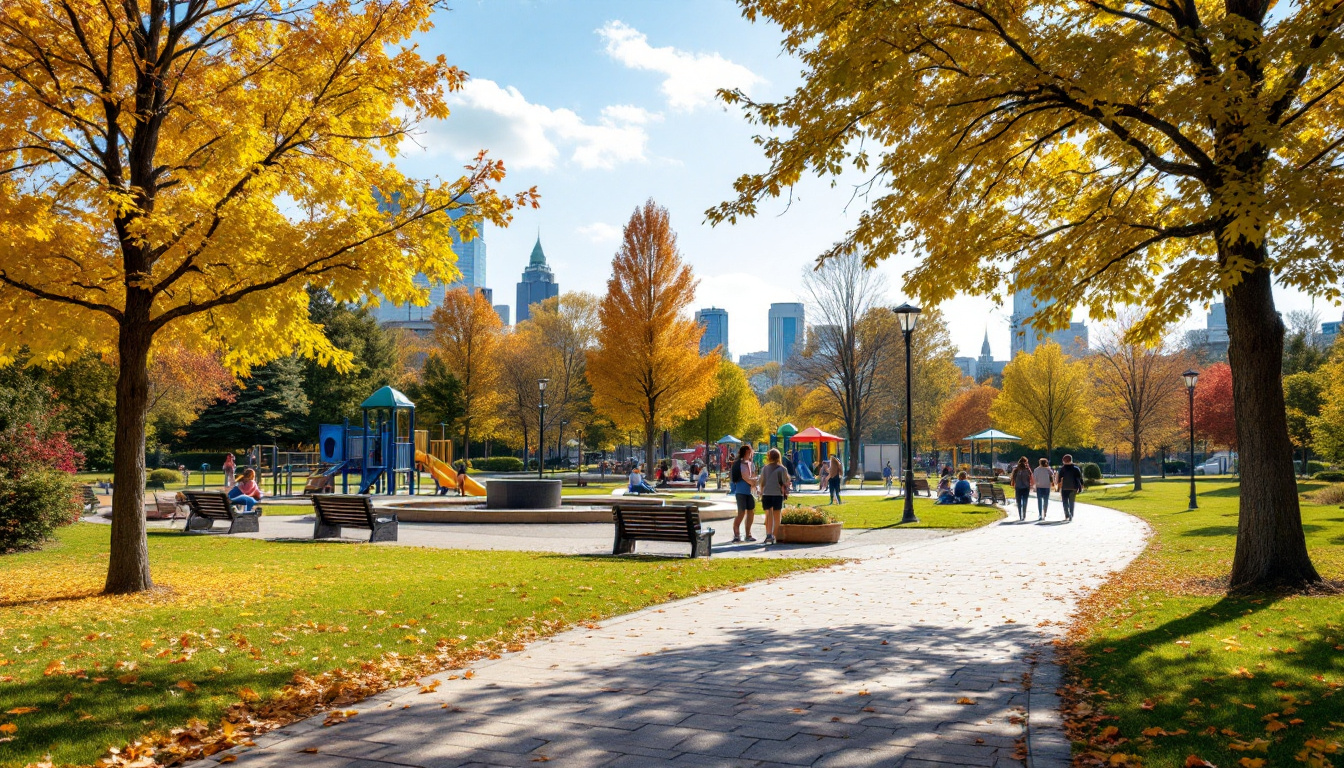
Understanding the Vital Role of Recreation
Recreational activities play a pivotal role in improving the quality of life for seniors residing in home care settings. By offering a diverse range of activities that stimulate mental, emotional, and physical well-being, these programs help seniors lead fulfilling lives. From fostering social connections to enhancing cognitive health, recreational activities are essential for maintaining a high quality of life for elderly individuals in assisted living and nursing home environments.
Why Recreational Therapy is Fundamental in Senior Care
Why is recreational therapy important for older adults?
Recreational therapy plays a vital role in enhancing the well-being of older adults by promoting social interaction, mental stimulation, and physical health through various engaging activities. It is essential for addressing the unique needs of seniors, ultimately improving their quality of life.
Enhancing mental and physical health through recreational activities
Participation in recreational activities significantly reduces feelings of loneliness and isolation among seniors. Engaging in group exercises not only encourages more physical activity but also provides joy and emotional fulfillment. Activities like gentle yoga, tai chi, and swimming improve mobility, balance, and reduce anxiety, creating a holistic approach to health.
Importance of therapeutic recreation in senior care
Therapeutic recreation is vital in senior care settings as it fosters emotional resilience, enhances self-esteem, and nurtures independence. Programs tailored to individual interests—whether it’s arts and crafts or gardening—help seniors develop new skills while providing mental stimulation. Thus, seniors feel accomplished and purposeful, contributing positively to their mental health.
Therapies like art, music, and aromatherapy
Art and music therapy have been proven effective in promoting cognitive functions and reducing stress. Activities such as painting or participating in music sessions encourage self-expression and facilitate social connections. Aromatherapy and similar therapies provide relaxation and promote calmness, particularly beneficial for seniors with cognitive impairments. Through these engaging therapies, older adults can enjoy a better quality of life while nurturing their emotional and mental health.
Diverse Recreational Activities for Seniors

What are some recreational activities available for the elderly?
Recreational activities for seniors encompass a broad range of options, designed to accommodate varying interests and physical abilities.
Activities Encouraging Physical Engagement
- Hiking and Walking Clubs: These clubs promote physical activity while allowing seniors to enjoy the great outdoors, enhancing both physical health and mood.
- Group Exercise Classes: Options like yoga and tai chi are particularly beneficial. They focus on flexibility, balance, and strength while providing social interaction.
- Swimming: Ideal for low-impact exercise, swimming helps enhance cardiovascular health and flexibility, making it a popular choice.
Activities for Mental Stimulation and Socialization
- Gardening: This activity not only gets seniors moving but also offers sensory stimulation and a sense of accomplishment as they nurture plants.
- Book Clubs: Engaging in discussions about literature encourages mental engagement, allowing seniors to share their thoughts and reminisce.
- Life Story Exercises: These storytelling activities can serve as both a cognitive workout and a means to bond with others by sharing life experiences.
- Online Games: Collaborative online games provide a fun avenue for interaction with family and friends, tapping into technology for social connection.
Each of these activities can significantly contribute to enhancing the quality of life for seniors by encouraging both physical and mental engagement, ultimately fostering a sense of community and belonging.
Exploring the Benefits of Recreation for Seniors
What are the benefits of recreational activities for seniors?
Recreational activities offer numerous benefits for seniors, contributing greatly to both physical and mental health. Engaging in these activities can significantly reduce the risk of health issues such as dementia, heart disease, and stroke. This engagement fosters a healthier lifespan, allowing seniors to lead more active lives.
Moreover, participation in enjoyable activities enhances mental well-being. Seniors report feeling happier and less lonely when involved in social recreational activities, which in turn decreases feelings of depression and anxiety.
The social aspect of recreational activities is vital as it helps build connections and support networks among seniors. Group activities create a sense of community, enhancing emotional resilience and life satisfaction. Additionally, engaging in meaningful activities helps older adults maintain their independence, allowing them to cope better with life’s challenges.
Consistent engagement in physical activities—such as yoga, gardening, and walking—promotes mobility and overall health. These activities not only improve physical fitness but also boost cognitive function and memory retention, essential for quality of life as seniors age.
Ultimately, recreational activities support healthy aging by ensuring seniors remain active, socially connected, and mentally stimulated, contributing to a fulfilling and engaged lifestyle.
Impact of Recreation on Senior Health
How do recreational activities impact the health of seniors?
Participating in recreational activities can significantly enhance the health of seniors by improving their physical, mental, and social well-being. Engaging in regular recreation not only fosters social connections but also helps in reducing feelings of isolation, which can lead to lower rates of depression, anxiety, and stress.
Connection between recreation and holistic health
Recreational activities contribute to holistic health by encompassing multiple aspects of wellness, particularly for older adults:
- Mental Stimulation: Activities such as puzzles and board games help in maintaining cognitive functions.
- Physical Health: Group exercises like tai chi or walking enhance mobility and reduce the risk of falls.
- Emotional Well-being: Creative outlets, such as painting or music, enable self-expression, enhancing mood and resilience.
Outdoor activities and their benefits
Outdoor activities provide a unique set of benefits for seniors, including:
- Socialization: Walking clubs and group gatherings encourage connections among peers.
- Physical Fitness: Activities such as gardening and leisurely walks improve blood circulation and overall health.
- Mental Clarity: Nature has been shown to enhance mood and cognitive function, helping combat cognitive decline.
Initiatives to incorporate recreation in elder care
Modern elder care facilities are increasingly focusing on integrating recreational programs, recognizing their role in enhancing life quality. Examples include:
- Customized Activities: Facilities like Westmont offer tailored programs based on resident interests, ensuring ongoing engagement.
- Community Involvement: Volunteering opportunities and performance arts encourage connections with the wider community, fostering a sense of purpose.
- Feedback Mechanisms: Regular feedback from seniors helps in adjusting activities to meet evolving needs, maximizing participation and satisfaction.
Overall, prioritizing recreational activities is essential for enhancing the quality of life for seniors, aligning with their health goals and addressing both physical and emotional aspects of aging.
Creating a Holistic Lifestyle through Recreation

How do recreational activities create a holistic lifestyle for seniors?
Recreational activities create a holistic lifestyle for seniors by intertwining mental, social, and physical health benefits, thereby promoting overall well-being. Engaging in these activities not only encourages exercise but also fosters social interactions. Seniors who participate in recreational programs often experience reduced feelings of stress and loneliness, leading to improved mental health.
Social interactions are vital for emotional resilience. Activities like art classes, music sessions, and cultural events provide seniors with opportunities to connect, share experiences, and reminisce about their heritage. This connection enhances emotional satisfaction and self-esteem while combating feelings of isolation.
Elder care facilities understand the transformative impact of recreational programming. By offering various activities—ranging from physical exercises like yoga and tai chi to cognitive stimulating challenges such as puzzles and board games—these programs ensure seniors remain actively engaged. Moreover, the inclusion of feedback mechanisms allows residents to participate in curating their activities, ensuring they align with evolving interests. This comprehensive approach not only strengthens community bonds but also enhances quality of life, promoting healthy aging as seniors remain vibrant, involved, and connected.
Benefits of Recreational Activities in Elder Facilities
The benefits of recreational activities are evident in several key areas:
| Area | Benefits | Examples |
|---|---|---|
| Mental Health | Reduces anxiety, depression, and cognitive decline | Puzzles, brain teasers |
| Social Interaction | Builds support networks, combats loneliness | Group games, social events |
| Physical Health | Improves mobility, balance, and overall fitness | Walking, gentle yoga, swimming |
| Emotional Resilience | Boosts self-esteem and purpose through skill development | Art classes, cooking |
| Cognitive Stimulation | Enhances memory and problem-solving skills | Music, technology use |
This system of recreational activities fosters a supportive community while providing essential mental and physical health benefits, creating a fulfilling lifestyle for seniors in care.
Concluding Thoughts on Recreation in Elder Care
The inclusion of recreational activities in senior home care settings holds transformative potential for enhancing the lives of elderly individuals. Whether through promoting mental acuity, fostering social connections, or encouraging physical health, these activities are critical for a holistic approach to senior care. By providing a variety of options tailored to the diverse needs and interests of residents, care facilities can create a vibrant and supportive atmosphere that uplifts and stimulates seniors in their journey of aging gracefully and happily.
References
- The importance of recreation and social interaction for active older ...
- Enriching Assisted Living and Nursing Home Activities
- The Benefits of Recreational Therapy for Seniors I Whispering Pines
- Cultural and Recreational Activities in Assisted Living: Boosting ...
- Leisure and Recreational Activities That Older People Will Love
- Social and Recreational Activities for Senior Living Communities
- 5 Mental Health Benefits of Recreation for Seniors - Calder Woods
- Recreational Therapy Activities For Seniors In Assisted Living ...
- Participating in Activities You Enjoy As You Age
- Participating in Activities You Enjoy As You Age - NIA Publications

Top 3 Essential Skills for Special Needs Caregiver
The Role of Education in Empowering Home Health Patients
Are Caregivers Supposed To Clean The House?

Does Home Care Require a Background Check?

What is Retroactive Medicaid?

How to Get Certified Home Health Aide?

What Does a Missouri CDS Vendor Do? Payroll, EVV, and Support

A Comprehensive Guide To Grants for Elderly Care Services

Common Challenges Faced by In-Home Caregivers

What is Exempt from Medicaid Spend Down?

Comprehensive Checklist for Medicaid Waiver Eligibility
What Is A Primary Caregiver?

Does Medicare Cover Home Health Care for Dementia?
What Industry Is Caregiving?

Top 5 Benefits of In-Home Care Services for Disabled

Missouri CDS: Consumer Directed Services Guide

How Much Does AmeriBest Home Care Pay?
Respite Care in Missouri: Options for Family Caregivers

How Many Hours Can A Home Health Aide Work?
How to Overcome Common Barriers to Receiving In-Home Care
Top Missouri In-Home Senior Care Services for Your Loved Ones

What Are Consumer Directed Services? Plain-English Guide

Top 5 Disability Advocacy Groups